
Ride More, Spend Less: Your Deutschlandticket Travel Playbook


What the Deutschlandticket Actually Covers
Buying It as a Visitor Without Stress

Best Apps and Simple Sign‑Up

Payment Options for Non‑Residents
Start Date, Cancellation, and Renewals
Smart Itineraries on Regional Rails
Effortless Moves Inside German Cities
Mastering S‑Bahn, U‑Bahn, and Trams
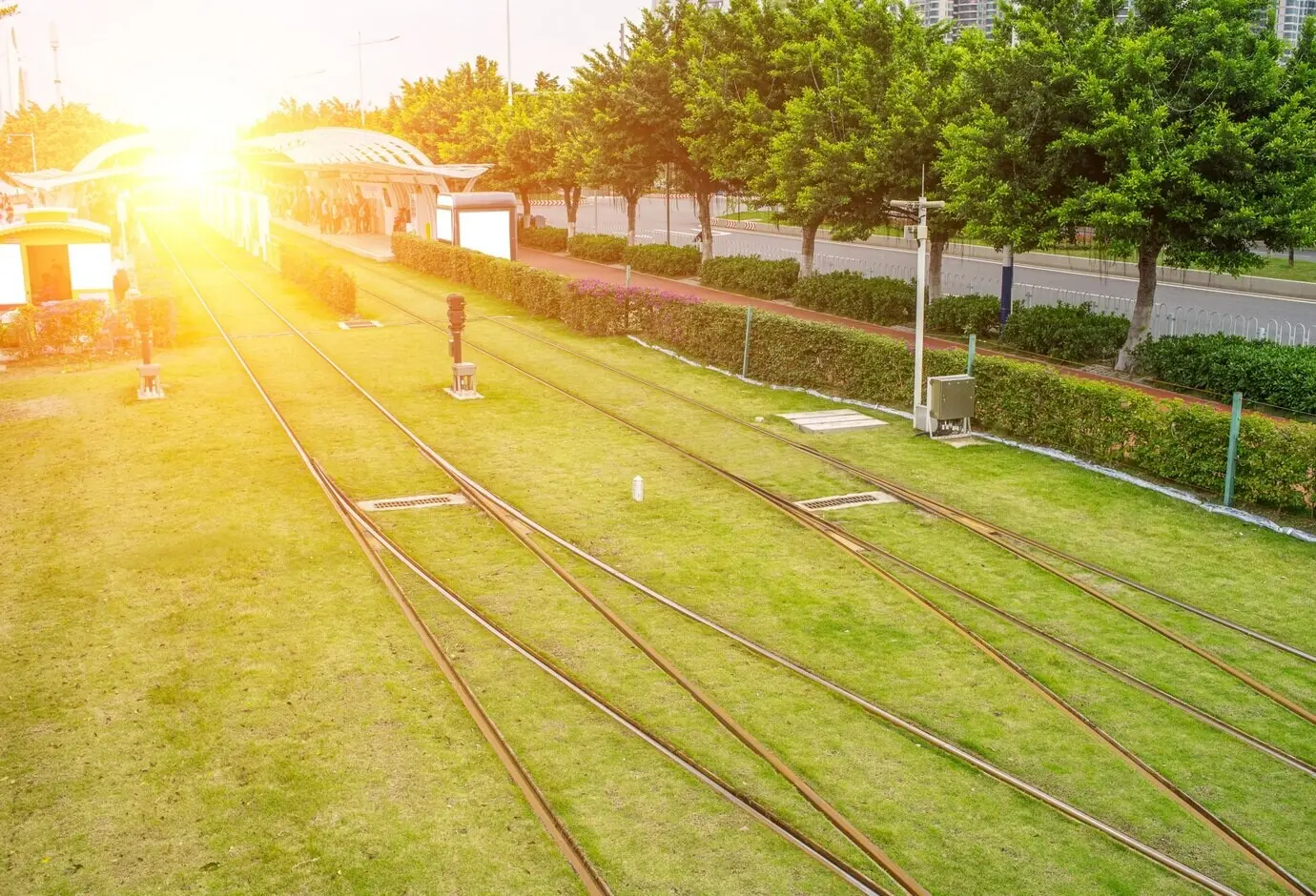
Follow platform indicators for direction and line numbers, watching overhead displays for minutes to departure. Door buttons sometimes require a press to open. In big hubs, S-Bahn often handles cross-city hops, while U-Bahn covers dense inner districts. Trams reveal street-level life, excellent for spontaneous stops at bakeries, bookstores, and street art. Snap station names for memory, then wander purposefully without urgency.
Bikes, Dogs, Children, and Companions
Rules vary by city: bike carriage may require time restrictions or a small add-on; dogs often need leashes and sometimes muzzles. Children benefit from generous policies, especially under six. The pass is personal, so each adult requires their own. Check local conditions in the app before boarding, and when in doubt, ask staff politely—German transit teams are typically helpful and efficient.
Night Service, Weekend Rhythm, and Events
Major cities run night lines on weekends, while smaller towns reduce frequency after evening hours. During festivals or football matches, extra services and crowds shift timing. Build cushion time before last departures, especially if you are far from accommodations. Bookmark night bus stop locations during daylight. Late rides can be atmospheric and safe when you plan ahead and stay aware.
Stories from the Rails: Budget Adventures
A Lake Constance Loop on One Pass
Start in Ulm, ride a regional train to Friedrichshafen, wander the Zeppelin Museum, then skip across to Lindau for island views and lakeside gelato. Continue to Konstanz and stroll the waterfront before returning through Ravensburg’s medieval towers. Each transfer becomes an invitation to linger. The pass covers every hop, freeing you to choose museums, promenades, or cafés purely by mood.
Castles, Vines, and Slower Lines
Follow regional rails along the Middle Rhine, hopping off near castle viewpoints and riverside towns like Boppard or Bacharach. Spend unhurried afternoons among vineyards and cobbles, then rejoin the network with the next RE. Without long-distance pressure, the day breathes—photography sessions, tastings, and quiet benches by the water. The pass encourages detours that make memories instead of mere mileage.
Avoiding Snags and Solving Problems
Ticket Checks, Fines, and Polite Confidence
When inspectors arrive, present the live QR code and matching ID without delay. If something fails to load, show proof of purchase and reopen the app in better reception. Stay calm and courteous; staff are usually understanding when you clearly cooperate. Keep your device unlocked, brightness up, and notifications minimized. Good preparation turns checks into brief, routine moments.
Strikes, Disruptions, and Backup Plans
Occasional strikes or construction can alter timetables. Check service alerts in your app each morning, and save an alternate route via different regional lines or bus corridors. If service pauses, consider a brief café stop and recheck updates. Patience preserves energy and mood. Your pass still holds value as the network adapts, and regional options usually reappear quickly across corridors.
Battery Life, Offline Access, and Screenshots
Carry a power bank and enable low-power mode before long days. Many apps cache the ticket offline; confirm this and test airplane mode. While screenshots help if reception dips, inspectors prefer a live QR code. Keep your charger cable handy, reduce background apps, and disable heavy GPS when not navigating. Reliable access keeps inspections quick and connections low-stress.
All Rights Reserved.