





Stroll Germany’s Most Welcoming Walkable Towns

Today we explore pedestrian-friendly German towns and how to experience them entirely on foot, celebrating car-free squares, riverside promenades, and compact historic quarters that reward slow travel. Expect practical transit tips, heartfelt street-level stories, and simple strategies for savoring cafés, markets, and museums without ever needing a car. Share your favorite discoveries, ask questions about routes or seasons, and subscribe for fresh walking maps and itineraries tailored to curious, considerate wanderers who love lingering where cobbles and community meet.

How to Pick a Walk-Loving Base

Finding a comfortable base transforms every step. Look for a historic center with a clearly marked pedestrian zone, compact distances between sights, inviting benches, and reliable public transport for easy arrivals. Prioritize lodgings near the main square or a quiet side lane, balancing restful nights with early access to bakeries, markets, and morning light. Read recent traveler notes about crowds, construction, or festivals that may add charm or noise, and consider staying two nights so your pace feels relaxed and truly restorative.

Arriving Smoothly by Train and Bus

Finding the Car-Free Heartbeat

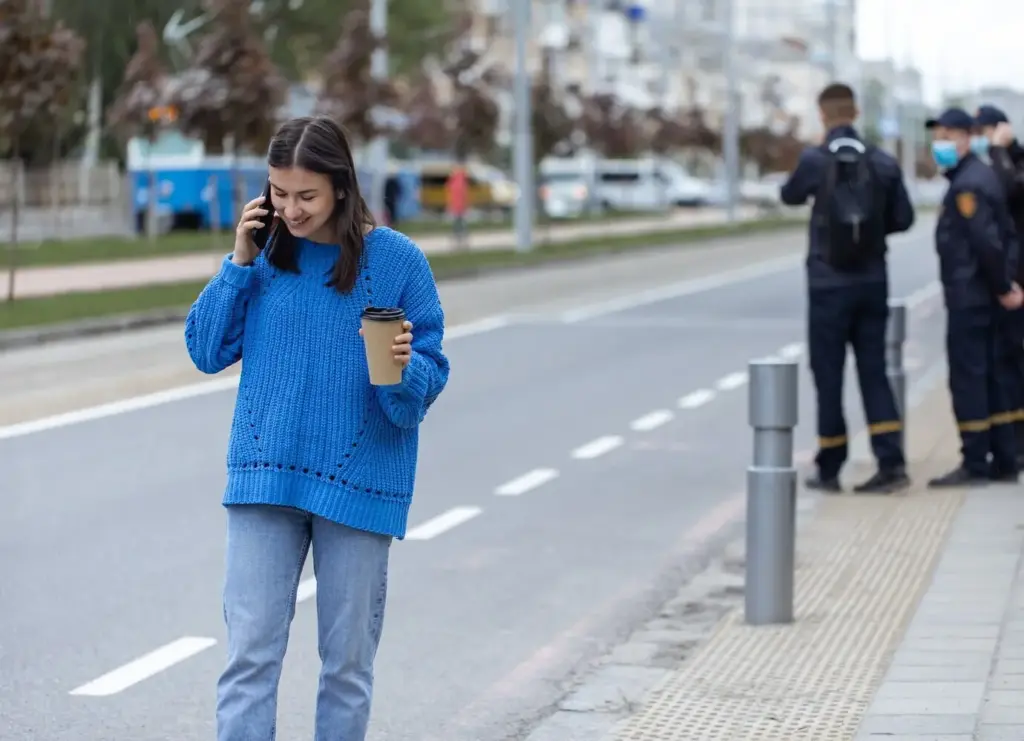
The liveliest pedestrian areas rarely hide. Listen for clinking cups, spot street musicians, and follow the flow toward church towers or bridges that frame river views. A blue sign with walking figures often marks entry to car-free space, while bollards and textured paving announce a calmer rhythm. Begin with a wide loop around the main square, then narrow into quieter lanes. Mid-morning markets reveal local flavor; late afternoons lean mellow and golden. Evenings, lights flicker from windows, and footsteps become shared, unhurried conversation.

Reading Street Signs Like a Local

Look for the familiar blue-and-white pedestrian symbol signaling a protected zone and lower speeds on surrounding streets. Arrows often indicate preferred walking routes, while brown tourist signs point toward landmarks that cluster close together. When you see delivery windows posted on side streets, plan your stroll just outside those hours for quieter moments. Note textured curbs that subtly guide visually impaired walkers, and follow them to stability on cobbles. Wayfinding becomes a gentle game, rewarding attention with safer, smoother, and more beautiful paths.

Circling Back With Intention

Rather than marching straight through, craft looping routes that pass the square multiple times at different hours. You will meet bakers at dawn, buskers at noon, and storytellers at dusk. Repetition reveals patterns: how light spills across façades, where families gather, and which alley smells of fresh bread every afternoon. Circling also simplifies navigation, reduces fatigue, and keeps your bearings intact. The town becomes familiar quickly, like a friend whose expressions you begin to recognize, making each step more relaxed and meaningful.

Maps, Apps, and the Joy of Serendipity

Carry a paper map from the tourist office alongside an offline map on your phone to balance reliability with spontaneity. Mark must-see corners, then purposely leave gaps to invite surprise. When you hear a violin or laughter, follow it; music and conversation often reveal the most welcoming squares. If you feel lost, pause under a street tree and watch footsteps flow. Trusting curiosity builds confidence, and the best memories often come from turning left when everyone else walks confidently right.
Eat, Sip, Pause: Fueling Long Walks

Walking thrives on small, frequent pleasures. Mornings begin with bakery aromas, midday markets deliver seasonal color, and twilight terraces invite you to linger. Choose places where staff greet regulars by name, and share a bench with locals while sampling regional specialties. Carry a reusable bottle to refill at fountains, ask for tap water kindly, and pace your meals to match your route. Savoring food slowly turns every square into a dining room, every step into a path between courses that never needs a timetable.

Rolling Smoothly Over Cobbles

Cobbled lanes charm the eye but challenge wheels. Search for smoother seams at edges, newer pavers near shops, or parallel residential streets with asphalt that rejoin the main square. Bridges often have at least one gentle approach; choose it both directions. Ask locals about elevator access to riverbanks or viewpoints. Keep tire pressure balanced for strollers or chairs, and rest often beside planters or fountains. Prioritizing smoothness saves energy, preserves mood, and unlocks more time for lingering where the town’s pace feels truly welcoming.

Keeping Little Explorers Happy

Turn the town into a cheerful treasure hunt. Count painted shutters, spot weather vanes shaped like boats, or listen for the loudest bell at noon. Promise a playground stop after a museum, and a shared pastry after a long bridge. Let kids photograph patterns in stones or doors, then vote on the best. Involve them when choosing turns, and admire their instincts. Curiosity becomes a game, and kilometers disappear as laughter folds into the clatter of cafés and the gentle hush of car-free alleys.

Weather-Proof Walking Plans

Rain adds sparkle to cobbles, but comfort matters. Build routes that hop between covered passages, museums, churches, and cafés without long exposed stretches. Pack a compact umbrella, quick-dry layers, and warm socks for shoulder seasons. On hot days, favor riverside breezes, morning starts, and leafy parks. Heat demands slower pacing and generous shade breaks. In winter, time loops between market huts and indoor corners, warming fingers before another stroll. Adapting to weather keeps spirits steady, photographs vibrant, and exploration joyful twelve months a year.

Sample Slow-Travel Itineraries

Use these sketches as gentle prompts rather than strict timetables. Each strings together compact centers, scenic connections, and varied textures, leaving room for detours and pauses. Check seasonal schedules and local holidays, then adjust to your pace. The goal is not distance but depth: seeing how mornings differ from evenings, where bread sells out first, and which steps echo sweetest at dusk. Share your refinements and questions, and we will shape future versions with your favorite corners and newly discovered, walker-loved shortcuts.

A Weekend Among Vineyards and River Curves

Arrive Friday afternoon, drop bags near the main square, and stretch legs along a riverside promenade threaded with benches. Saturday, climb gently to a panoramic terrace overlooking vines, returning through quiet residential lanes that reveal daily life. Pause for a picnic between tastings of regional grape juice or light spritzers. Sunday, explore a monastery courtyard and a small museum before an unhurried train ride home. With short distances, scenic loops, and effortless connections, the weekend breathes, and every step tastes like sunshine on stone.

Three Car-Free Days in the South

Day one, settle in a tram-served university town, tracing arcades, brooks, and leafy boulevards into a relaxed evening on the square. Day two, take a short regional train to a neighboring old town where timbered façades line a peaceful island or embankment, then return by sunset. Day three, visit a cathedral city with a riverside park perfect for picnic strolling before departure. The trip layers lively student energy, contemplative lanes, and generous river light, creating a rhythm that favors conversation and unhurried café moments.

Half-Timbered North, One Rail Line at a Time

Base yourself within steps of a medieval core, then ride regional trains to two nearby towns where guild houses and cobbled squares frame easy loops. Mornings begin with market snacks; afternoons linger near fountains and quiet courtyards. Keep an eye on hilltop castles for optional climbs. If a shower passes, duck into a timbered museum or church, then reemerge to gleaming streets. These short hops stitch together history and everyday life, turning platforms into gateways and each arrival into another welcome, walk-forward invitation.

Seasonal Strolls and Special Events

Seasons shape footsteps as surely as street plans. Winter glows with market lights and steaming mugs, spring perfumes the air with blossoms, summer opens riverbanks and festivals, and autumn fills squares with harvest colors. Pace your routes to the calendar, choosing cozy museums for cold mornings and shaded promenades for hot afternoons. Arrive early at popular events, or savor them later when crowds thin. Returning in a different month reveals another layer, reminding you that walkable towns are generous storytellers all year.

Winter Lights and Cozy Routes

Short days invite shorter loops threaded between warm interiors. Begin with a late morning museum, drift to a market for toasted almonds, then follow lantern-lit lanes to a snug café. Evening crowds gather near carrousels and choirs, so visit early or late for softer moments. Wear grippy soles for frosty cobbles and keep hands free for hot drinks. Winter rewards patience and timing, turning familiar squares into sparkling theaters where every step feels like a shared, friendly ritual against the cold.

Spring and Summer Greenways

When leaves unfurl, follow riverside paths strung with willows and benches, pausing where reflections shimmer. Plan longer morning circuits before heat builds, then hide in museums or arcades until shade returns. Festivals animate parks with music, crafts, and food stands, transforming lawns into living rooms. Bring sunscreen, water, and a light scarf for wind along bridges. Evenings stretch deliciously, offering second and third strolls as façades soften and conversations spill into streets that belong entirely to footsteps and laughter.

Autumn Colors and Harvest Traditions

Fall walks glow with copper leaves and farmers’ stalls piled high with apples, pumpkins, and fresh cheeses. Sip a gently sparkling grape must while tracing calm lanes between vineyards and town gates. Seek viewpoints that showcase rooftops set against wooded hills, then retreat to a tavern for a hearty plate shared unhurriedly. Breezes turn crisp after sunset, so carry a warm layer and linger near lamps that gather neighbors. Autumn’s rhythm is generous, reflective, and perfectly tuned to curious, lingering feet.

Nimumemukupopukala
Privacy Overview

This website uses cookies so that we can provide you with the best user experience possible. Cookie information is stored in your browser and performs functions such as recognising you when you return to our website and helping our team to understand which sections of the website you find most interesting and useful.